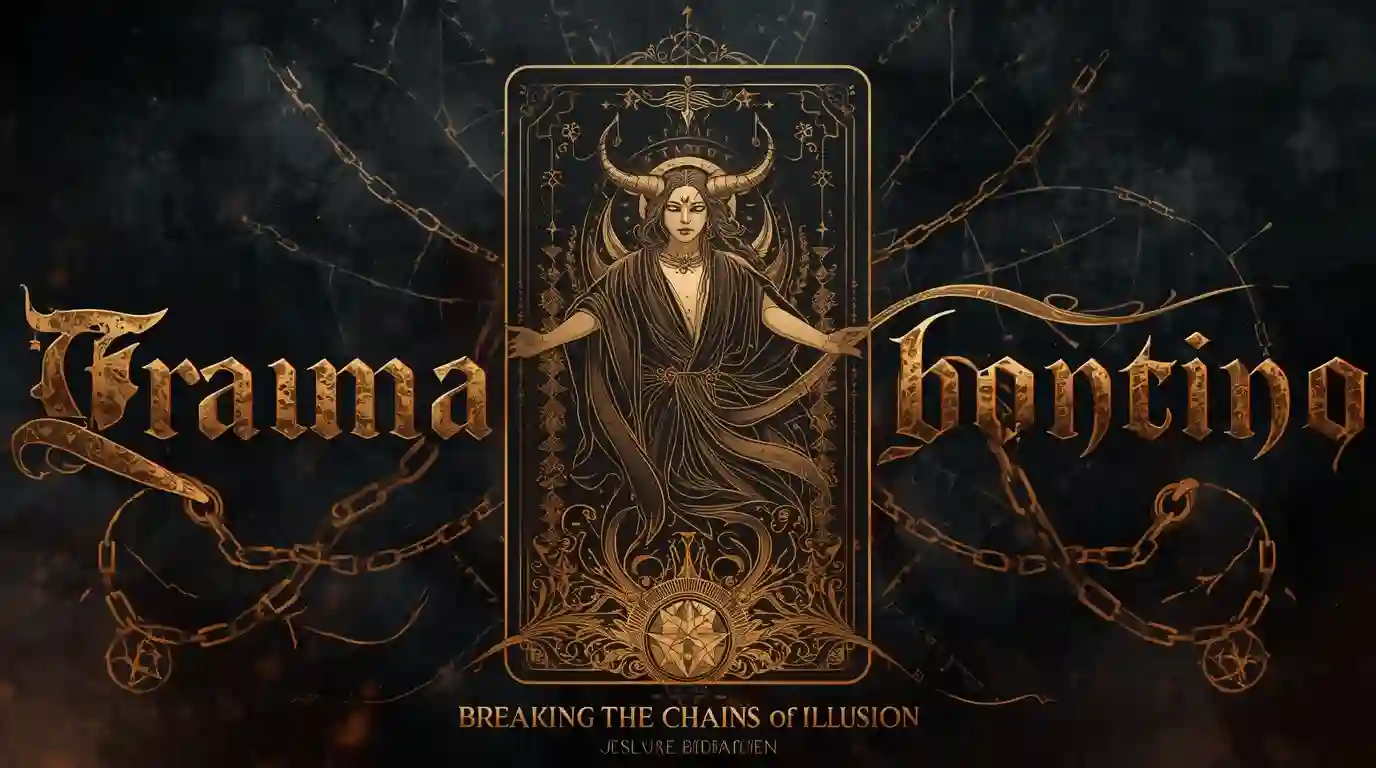
When the Devil card appears in a tarot reading, it often brings a jolt of fear or unease. Its imagery is stark, depicting addiction, obsession, and bondage. Yet, few concepts in modern psychology are as perfectly and chillingly illustrated by this card as the “trauma bond.” This is the intense, unhealthy attachment that forms between an abuser and the person they victimize, a connection forged through a destructive cycle of abuse and positive reinforcement. The Devil card doesn’t just represent this bond; it provides a profound and unflinching look into its mechanics, revealing the illusion of powerlessness that keeps so many people trapped.
Quick Answer: What Does the Devil Card Mean for a Trauma Bond?
The Devil card is the primary tarot signifier for a trauma bond. It represents being chained to a person, substance, or pattern of behavior through a sense of powerlessness and addiction. In the context of a trauma bond, it highlights the intense emotional attachment to a toxic or abusive person, an attachment fueled by intermittent kindness and psychological manipulation. The card’s key message is that the chains are looser than they appear; freedom is possible once you recognize the illusion of your captivity and begin to reclaim your personal power.
Table of Contents
- Understanding the Devil Card’s Potent Symbolism
- The Devil Upright: Deep in the Throes of a Trauma Bond
- The Devil Reversed: A Glimmer of Hope and Breaking Free
- How a Trauma Bond Is Forged: The Devil’s Cycle
- Why Do We Stay? The Psychology Behind the Devil’s Chains
- The Devil as Advice: Your First Steps Toward Liberation
- Recognizing the Red Flags of a Devilish Dynamic
- Supporting Cards: How Other Cards Illuminate the Bond
- From Chains to Freedom: A Path to Healing
- Conclusion: Reclaiming Your Power from the Devil
The tarot is a powerful tool for illuminating the darkest corners of our psyche, and no card does this with more raw honesty than the Devil. When it points to a trauma bond, it offers not a curse, but a map to freedom.
Understanding the Devil Card’s Potent Symbolism
The Devil is the fifteenth card of the Major Arcana, a position that places it in direct contrast to The Lovers card (VI), which represents harmonious choice and balanced partnership. The Devil, on the other hand, represents bondage, materialism, addiction, and the shadow self. In most traditional decks, the card shows a goat-headed figure, often Baphomet, perched on a black pedestal. Chained loosely to this pedestal are two naked figures, a man and a woman.
Crucially, the chains around their necks are loose. They could lift them off and walk away, but they don’t. This is the most important symbolism when discussing trauma bonds. It illustrates that the bondage is, on some level, a state of mind. The chains represent:
- Illusion: The belief that you are powerless and have no choice but to stay.
- Addiction: The chemical and emotional addiction to the highs and lows of the abusive cycle.
- Materialism and Hedonism: Being tied to the superficial benefits of the relationship—financial security, status, or intense physical pleasure—while ignoring the profound emotional cost.
- Shadow Self: The parts of ourselves we deny, such as our fears, insecurities, and hidden desires, which the manipulator often exploits.
From my years of reading tarot, the Devil card is never a literal representation of evil. Instead, it is a mirror reflecting our own self-imposed prisons and the unhealthy attachments we mistake for love or loyalty. It asks us to look at what we are chained to and why we choose to remain there.
The Devil Upright: Deep in the Throes of a Trauma Bond
When the Devil card appears upright in a reading about a relationship, it is a glaring red flag for a trauma bond in full effect. This indicates you are deeply enmeshed in a toxic dynamic, feeling trapped and powerless. The relationship is likely characterized by an intense and addictive cycle of good times and bad times. The abuser, like the Devil figure, provides moments of affection, charm, and excitement (the “highs”), which are just enough to keep you hooked, hoping for their return during the periods of abuse, neglect, or cruelty (the “lows”).
The upright Devil points to a state of conscious or unconscious helplessness. You may feel that you cannot live without this person, that the pain is worth the fleeting moments of pleasure, or that you are somehow responsible for their behavior. It speaks to a deep sense of being stuck, where your sense of self-worth has become completely entangled with the abuser’s validation. This is a powerful indication that you are giving your power away, chained by a belief that you have no other choice. It might feel as though this person is your twin flame or soulmate, a common illusion in trauma-bonded relationships.
The Devil Reversed: A Glimmer of Hope and Breaking Free
Receiving the Devil card reversed is often a profound moment of hope and empowerment. It signals a shift in consciousness. The chains are not just loose; you are finally noticing them. This card in its reversed position signifies that you are beginning to see the abusive dynamic for what it is. The illusion is shattering.
The Devil reversed can mean:
- Awareness: You are recognizing the patterns of abuse and manipulation. The gaslighting is no longer working as effectively.
- Breaking Free: You are taking the first active steps to detach from the toxic person or situation. This could be seeking therapy, confiding in a friend, or making a plan to leave.
- Reclaiming Power: You are starting to understand that the control the abuser had over you was based on a lie. You are pulling your energy back and focusing on your own freedom and well-being.
- Confronting the Shadow: You are ready to look at the underlying wounds or insecurities that made you vulnerable to this dynamic in the first place.
While the reversed Devil is a positive sign, it doesn’t mean the process is easy. Breaking a trauma bond is like detoxing from a powerful drug. There will be withdrawal, temptation to return, and moments of doubt. However, the card affirms that you are on the right path and that freedom is attainable. It is a sign that you are ready to lift that chain from your neck.
How a Trauma Bond Is Forged: The Devil’s Cycle
The Devil card perfectly illustrates the intermittent reinforcement that creates a trauma bond. This cycle is insidious and highly effective at creating a powerful, addictive attachment.
- Idealization and Love Bombing: The relationship begins with an intense, often whirlwind phase. The manipulator showers you with affection, attention, and praise. This creates the “high” and establishes them as the source of your happiness.
- Devaluation and Abuse: Slowly or suddenly, the behavior shifts. The manipulator becomes critical, distant, or outright abusive. This creates confusion and distress. You work hard to please them, desperate to get back to the idealization phase.
- Discard (or Threat of Discard): They may threaten to leave or actually abandon you, creating intense fear of abandonment.
- Hoovering and Intermittent Reinforcement: Just when you are at your lowest, they return with kindness, apologies, or affection. This small reward provides immense relief, releasing dopamine and creating a powerful addiction to the cycle itself. You are chained not just to the person, but to the hope of relief.
This cycle is the engine of the Devil card’s power. It keeps the chained figures looking to the Devil for their next “fix” of validation, forgetting they have the power to simply walk away.
Why Do We Stay? The Psychology Behind the Devil’s Chains
The most painful question for anyone in a trauma bond is, “Why do I stay?” The Devil card shows us that the reasons are complex and rooted in deep psychological patterns.
- The Illusion of Control: We believe that if we just try harder, are “better,” or figure out the right combination of behaviors, we can stop the abuse and bring back the “good” person we fell for. This is the ultimate illusion of the Devil’s game.
- Addiction to the Highs: The emotional highs in a trauma-bonded relationship are incredibly intense, largely because they follow such painful lows. Our brains become addicted to the chemical rush of reconciliation.
- Damaged Self-Worth: The abuser systematically erodes their victim’s self-esteem. Over time, you may come to believe you don’t deserve better or that no one else would want you.
- Fear and Isolation: The abuser often isolates their victim from friends and family, leaving them with no support system. The fear of leaving and having nowhere to go can be paralyzing. The Queen of Swords as no contact is a card that often appears when someone is contemplating this difficult step.
- Familiarity of Pain: For those who grew up in traumatic environments, a chaotic relationship can feel familiar and, in a twisted way, “normal” or even safe.
The Devil card asks you to look at these reasons without judgment. Understanding why you stay is the first step to understanding how you can leave.
The Devil as Advice: Your First Steps Toward Liberation
When the Devil card appears as advice, it’s not telling you that you are bad or doomed. It is giving you a direct, urgent call to action.
- Acknowledge the Chains: The first step is radical honesty. Name the situation for what it is: a trauma bond, an addiction, an unhealthy attachment. Stop making excuses for the person’s behavior.
- Sever the Energy Source: The Devil gets his power from your attention. You must begin to starve him of it. This means implementing measures of low or no contact. It is about creating distance so you can think clearly.
- Seek External Support: This is not a battle to be fought alone. The abuser has isolated you for a reason. Reach out to a therapist specializing in trauma and abuse, a support group, or trusted friends and family who are outside the dynamic.
- Focus on Small Freedoms: The idea of leaving forever can be overwhelming. Focus on small, achievable acts of rebellion. Spend an hour doing something you love without their permission. Reconnect with a friend they didn’t like. Each small act rebuilds your sense of self.
The Devil’s advice is to stop looking at him for answers and to start looking at the loose chain around your own neck.
Recognizing the Red Flags of a Devilish Dynamic
The Devil card urges you to be aware of the warning signs of a trauma bond. These red flags indicate that a relationship is based on control and addiction, not love and respect.
- Extreme jealousy and possessiveness.
- Isolating you from your friends and family.
- Constant criticism that erodes your self-esteem.
- The intense hot-and-cold cycle of idealization and devaluation.
- Feeling like you are “walking on eggshells” to avoid setting them off.
- Defending their abusive behavior to others.
- An intense, obsessive feeling that you can’t live without them, even though they cause you immense pain.
When you ask the tarot about a person’s intentions and get the Devil card, it is a clear warning that their goal is control, not connection.
Supporting Cards: How Other Cards Illuminate the Bond
The Devil card rarely appears in a vacuum. Other cards in the spread can provide more context about the trauma bond.
- The Lovers: When The Lovers appears with The Devil, it highlights the intense conflict between a healthy choice (The Lovers) and an addictive attachment (The Devil).
- The Tower: The Tower signifies the inevitable and often explosive collapse of the toxic dynamic. While terrifying, this is often the event that finally breaks the chains.
- Three of Swords: This card points to the heartbreaking moment of truth and the painful clarity that comes with recognizing the betrayal inherent in the bond.
- The Moon: The Moon represents the fear, illusion, and confusion that keep you trapped. The Devil and The Moon together create a powerful fog of deception.
Understanding how these cards interact can provide a more detailed narrative of your experience and your path out of it.
From Chains to Freedom: A Path to Healing
Healing from a trauma bond is a profound journey of self-reclamation. It’s about consciously choosing to lift the chain and walk away from the Devil’s pedestal.
- Detox: This involves a strict period of no contact to break the addictive cycle. This is often the hardest part and requires immense support.
- Rebuild Your Identity: Trauma bonds cause you to lose your sense of self. Reconnect with your own interests, values, and goals. Who were you before this relationship?
- Heal the Original Wound: Work with a professional to understand the underlying vulnerabilities that made you susceptible to this dynamic. This is the “shadow work” the Devil card calls for.
- Learn Healthy Boundaries: Practice setting and enforcing healthy boundaries in all areas of your life. This is your primary defense against future toxic entanglements.
- Self-Compassion: Treat yourself with the kindness and compassion you were denied in the relationship. You are a survivor of psychological abuse, and that requires gentle care.
Conclusion: Reclaiming Your Power from the Devil
The Devil card is one of the most misunderstood cards in the tarot. It is not a forecast of doom but a diagnosis of a current reality. It is the ultimate symbol of the trauma bond, showing us exactly how we become chained to our pain through the illusion of powerlessness. Its message is stark but ultimately empowering: the prison is not real, the chains are not locked, and you hold the key.
By facing the Devil, you are facing the truth of your situation. This act of courage is the first and most critical step toward liberation. The path away from the Devil’s pedestal is a journey back to yourself—to your own power, your own worth, and your own freedom. The Devil shows you the chains so that you can finally see how to break them.
Frequently Asked Questions (FAQs)
Can a relationship represented by the Devil card be saved?
It is extremely difficult. Saving the relationship would require the abuser to acknowledge their behavior fully and commit to profound, long-term change, which is rare. The Devil card’s advice is almost always to save yourself, not the relationship.
Does the Devil card always mean a trauma bond?
While it is a primary indicator, the Devil can also represent other forms of bondage, such as addiction to substances, gambling, workaholism, or being trapped by limiting beliefs and negative thought patterns. The context of the question and the surrounding cards will clarify its specific meaning.
What if I feel I am the Devil in the relationship?
This is a moment of powerful self-awareness. It means you recognize you are engaging in controlling, obsessive, or manipulative behaviors. The card is a call to action to seek help, understand the root of these actions, and begin the difficult work of changing your patterns before you cause more harm to others and yourself.